Educating Our Community of Visually Impaired Students
Educational institutions committed to accessibility have a powerful opportunity to expand access to learning by offering materials in braille. Doing so supports visually impaired students in accessing education, pursuing careers, and achieving greater independence.
Braillo works with institutions to support this goal—helping bring more visually impaired individuals into the educational system through reliable, high-quality braille production.
If your institution is considering expanding access to braille, two key factors should be understood:
1. Regulatory Requirements for Braille Materials
In many countries, there are legal requirements to provide accessible materials in braille.
In the United States, guidance is provided by the Braille Authority of North America (BANA). Additional regulations include the Individuals with Disabilities Education Act (IDEA), Section 504 of the Rehabilitation Act of 1973, and Title II of the Americans with Disabilities Act (ADA).
These frameworks establish the responsibility to provide accessible educational materials to visually impaired students.
2. Standards for Braille Quality and Formatting
In addition to regulatory requirements, there are defined standards for braille quality, including dot height, spacing, and formatting.
In the United States, these are outlined in Specification 800, “Braille Books and Pamphlets,” from the National Library Service for the Blind and Print Disabled (NLS).
These standards ensure that braille is consistent, legible, and readable across all materials. Requirements include precise specifications for dot height, size, shape, and positioning.
For information on braille requirements and standards in your region, please contact us.
Meeting Braille Standards in Production Environments
Braillo embossers are engineered to meet and exceed government standards for braille production. Designed for sustained operation, they deliver consistent dot height and precise alignment across extended production runs.
This level of consistency is essential in educational environments, where readability directly impacts learning outcomes.
By producing uniform, high-quality braille, institutions can ensure that students receive materials that are clear, reliable, and easy to read.
Expanding Access Through Reliable Braille Production
Providing braille materials is a meaningful step toward greater accessibility in education. With the right production approach, institutions can deliver consistent, high-quality braille that meets regulatory standards and supports student success.
Braillo supports this effort by delivering production embossers designed for reliability, durability, and consistent braille quality.
For more information on braille production, standards, or available solutions, please contact us.
Contact us for detailed product information, pricing and sales questions
Braillo 300 S2

Braillo 450 S2

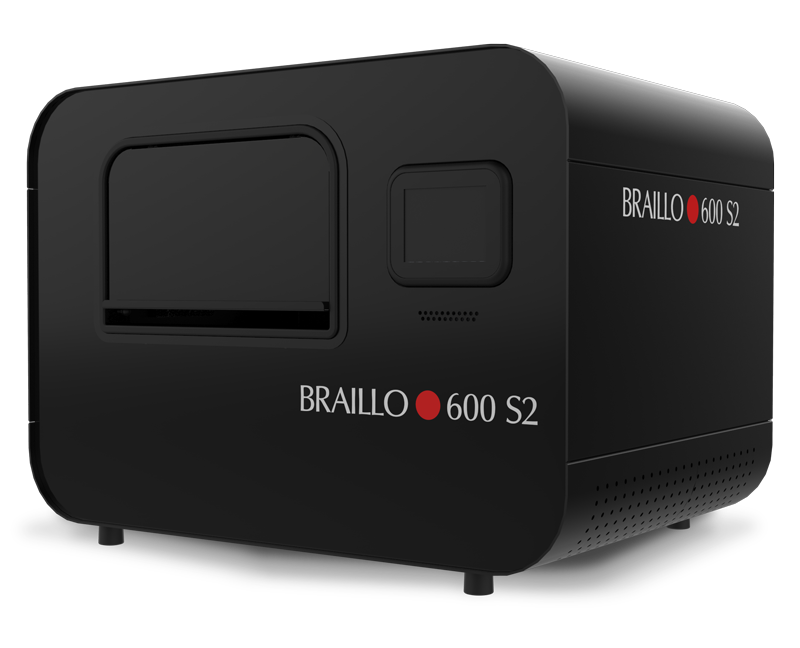
Braillo 600 S2
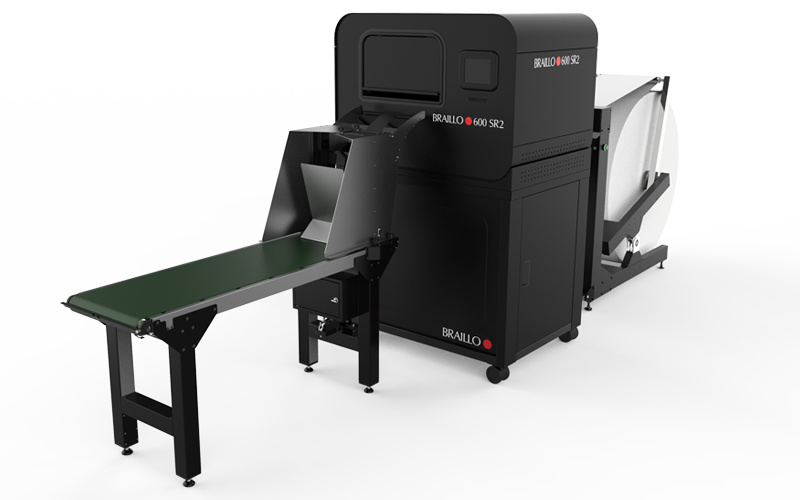
Braillo 600 SR2
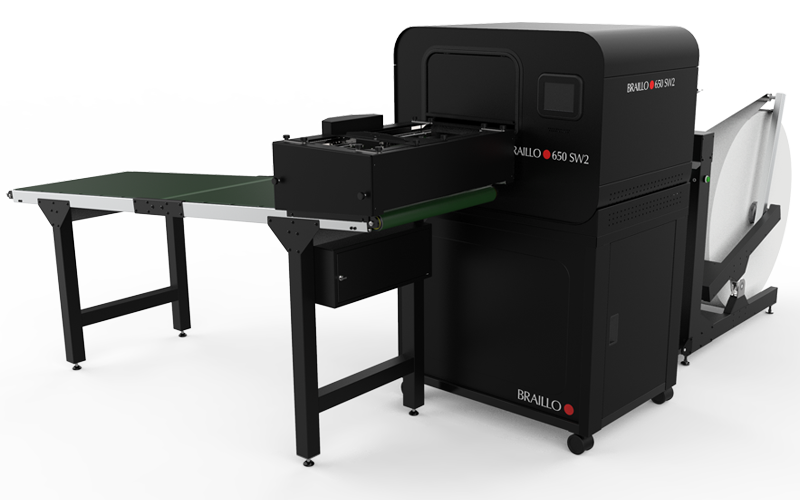
Braillo 650 SW2
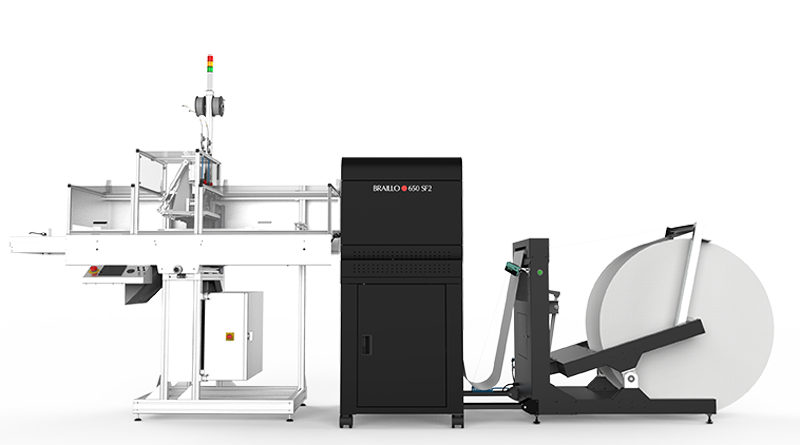
Braillo 650 SF2