
Braille Paper Formats for Production
How Paper Format Impacts Braille Production Workflow
Braille production is structured around paper format. Continuous, roll-fed, and cut-sheet braille paper each define how documents are produced, handled, and finished within a production environment.
The selected format impacts workflow, efficiency, and output handling. Braille quality is determined by both the paper itself and the performance of the braille embosser, not the format used.
For a structured overview of how formats are used across Braillo embossers, see braille paper formats.
For a direct comparison of continuous, roll-fed, and cut-sheet workflows, read continuous, roll-fed, and cut-sheet braille production.
For additional context on how paper format impacts production environments, see braille paper formats in production.
For detailed information on paper specifications, quality, and options, see the braille paper guide.
Learn more about selecting the appropriate embosser in how to choose a braille embosser.
Explore Braillo production braille embossers and braille printer models.
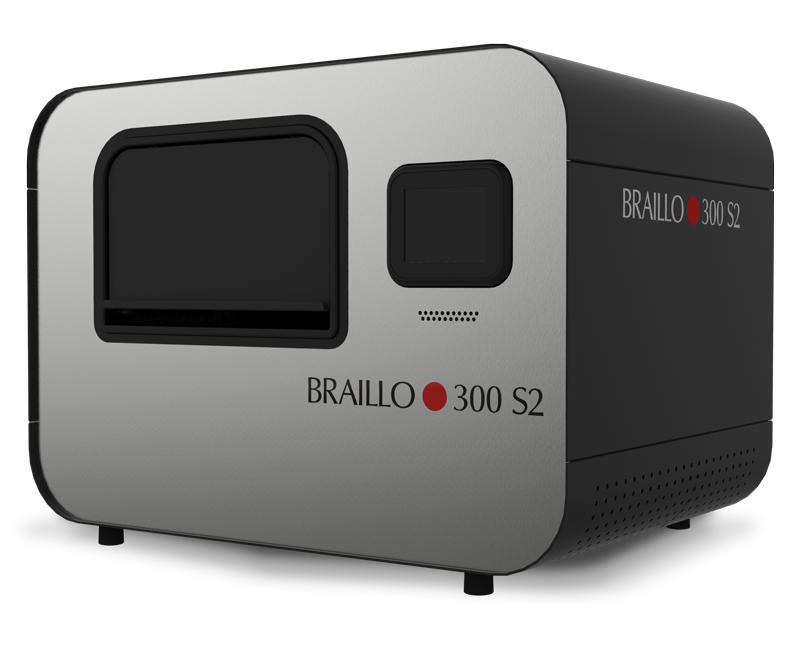
Braillo 300 S2
300 characters per second on continuous paper—an entry point into production braille.
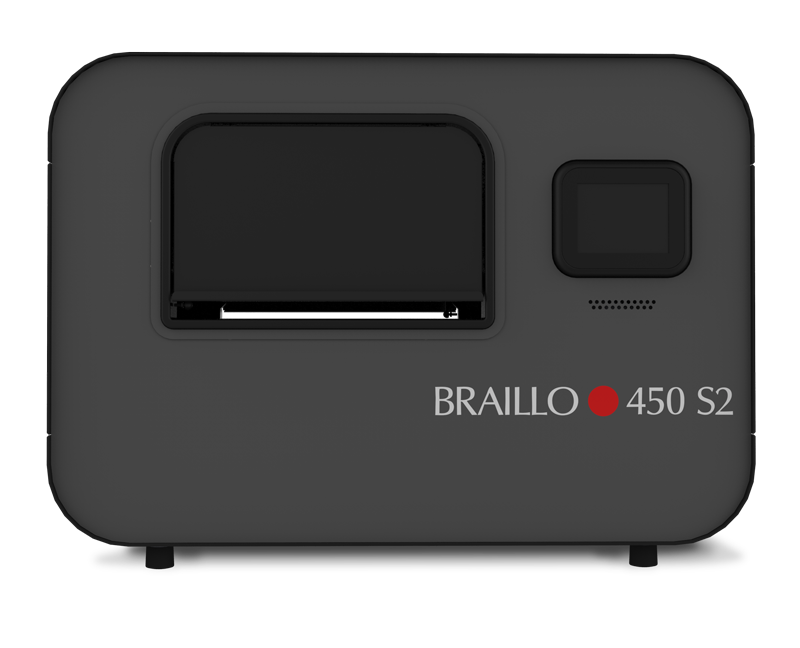
Braillo 450 S2
450 characters per second on continuous paper for growing braille production teams.
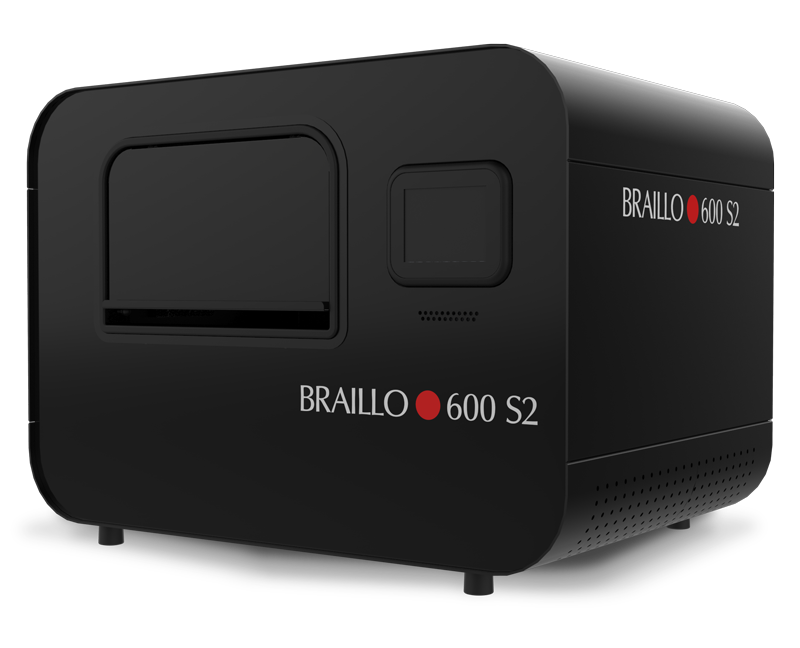
Braillo 600 S2
600 characters per second on continuous paper, with an upgrade path to the roll-fed 600 SR2.
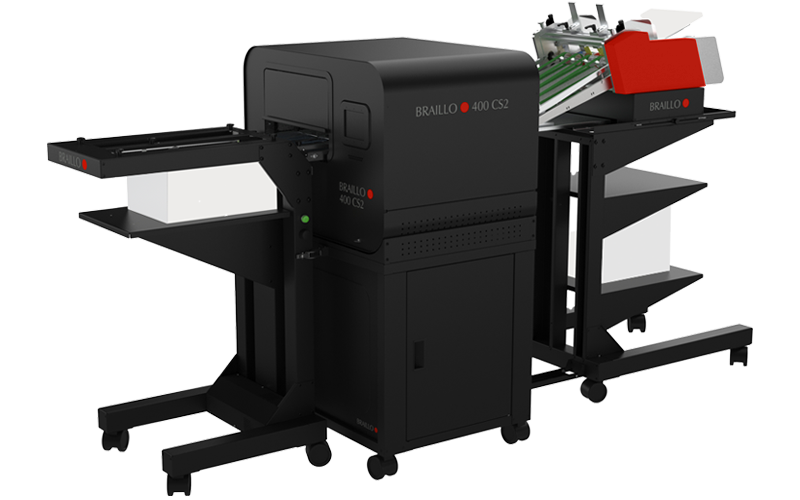
Braillo 400 CS2
400 characters per second—the only production cut-sheet braille embosser capable of multiple layouts.
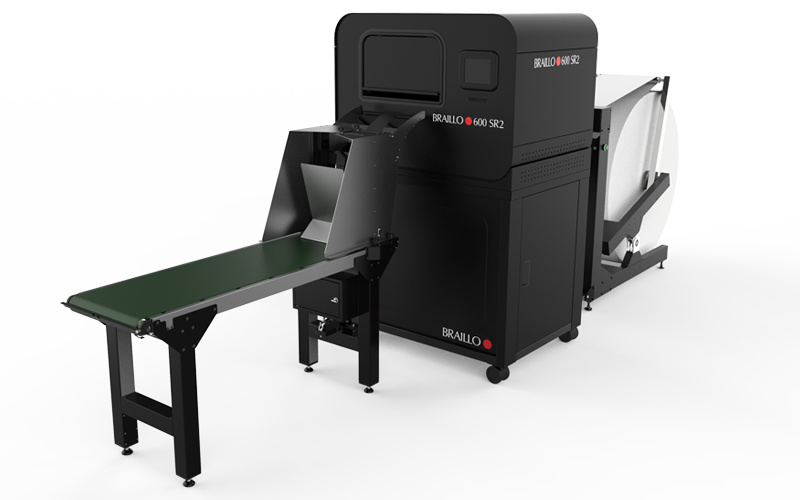
Braillo 600 SR2
600 characters per second on roll-fed paper, with automatic cutting and stacking.
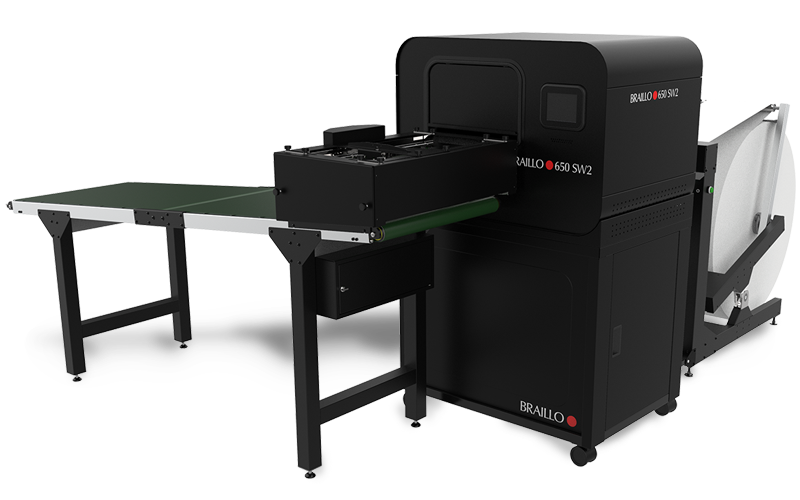
Braillo 650 SW2
650 characters per second on roll-fed paper for semi-automated book and magazine production.
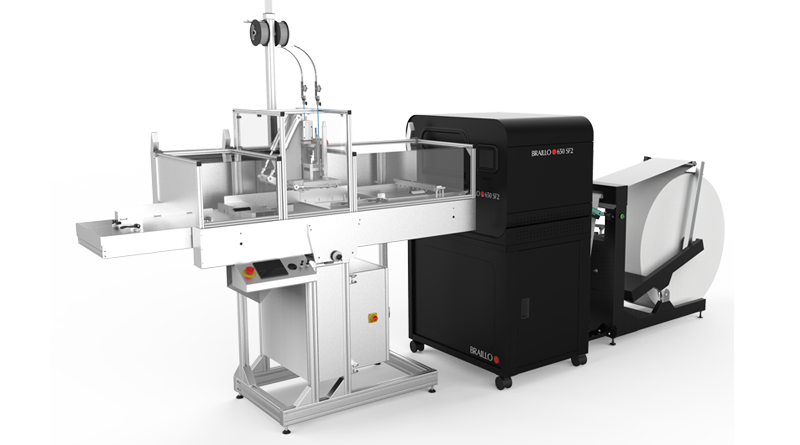
Braillo 650 SF2
650 characters per second on roll-fed paper for fully automated braille book production.
